
Advancing Sustainable Agriculture in Africa: The Role of MSMEs and Climate-Smart Technologies
Insights into the contributions of MSMEs to African agriculture and highlights the importance of climate-smart technologies, reflecting Agra Group's interest in sustainable development in the region.
Adam Jano
5/8/20241 min read
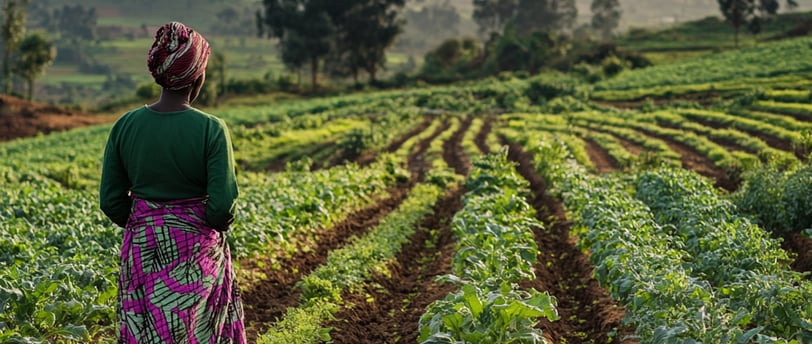
Africa's agricultural sector is undergoing a significant transformation, driven by the need to enhance food security and promote sustainable practices. Micro, small, and medium-sized enterprises (MSMEs) are at the forefront of this change, playing a vital role in managing agrifood value chains across the continent.
A recent report by the Alliance for a Green Revolution in Africa (AGRA) underscores the importance of MSMEs in transforming food systems. These enterprises, often rooted in local communities, have been pivotal in integrating smallholder farmers into larger value chains, thereby contributing to food security and economic growth. Investments in infrastructure and technology are further enhancing the productivity and efficiency of these value chains, enabling MSMEs to scale their impact (AGRA).
Complementing this is the World Bank’s funding for the Accelerating Impacts of CGIAR Climate Research for Africa (AICCRA) project. This initiative aims to strengthen climate-smart agriculture technologies in countries like Ethiopia, Ghana, Kenya, Mali, Senegal, and Zambia. The AICCRA project focuses on building the capacity of governments and stakeholders to predict and prepare for climate-related events, ensuring the sustainability of agricultural practices and safeguarding the environment (World Bank).
The intersection of MSMEs' efforts and the introduction of climate-smart technologies represents a promising future for African agriculture. By supporting these initiatives, countries can create resilient food systems that not only meet the growing demand for food but also promote sustainable economic development.